
The Best Backpacking Tents of 2026, Ranked
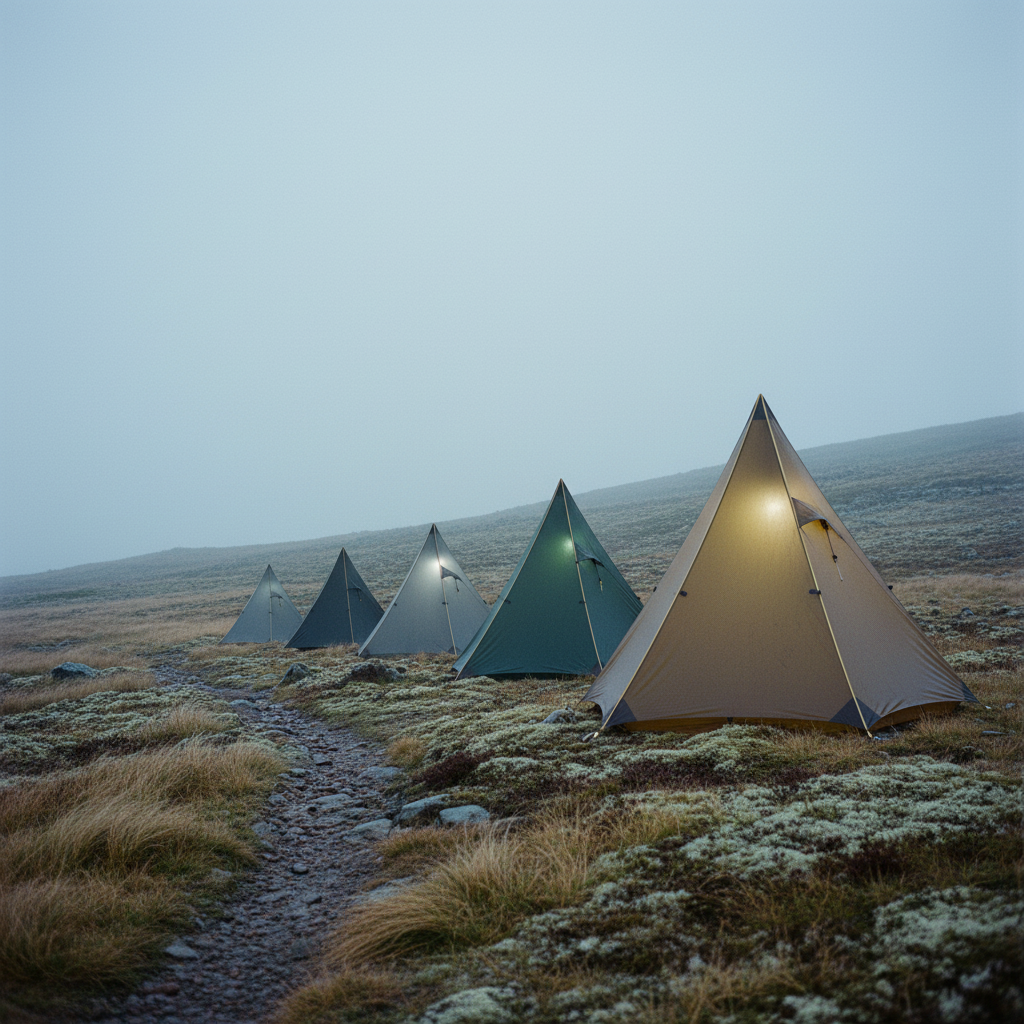
Your tent is the single most important piece of gear in your pack. Get it wrong, and you’re either carrying unnecessary weight or lying awake in a leaking shelter during a midnight thunderstorm. We tested 6 of the best backpacking tents on the market over 40+ nights in conditions ranging from calm summer evenings to sustained 40 mph wind gusts with driving rain.
Every tent was evaluated for packed weight accuracy, setup time, interior livability, storm performance, condensation management, and long-term durability. We didn’t just pitch these in a backyard — we hauled them up mountain passes and tested them in real weather.
Quick Verdict: The NEMO Hornet Elite 2P is our ultralight pick at just 1 lb 13 oz with excellent livability for its weight. The MSR Hubba Hubba 2 is the best all-rounder for most backpackers. The Big Agnes Copper Spur HV UL2 offers the best interior space-to-weight ratio.
Testing Methodology
Each tent was tested for a minimum of 7 nights over multiple trips in the Cascades, Sierra Nevada, and Colorado Rockies. We measured actual packed weight against manufacturer claims, timed pitching speed in calm conditions and 20+ mph wind, tested waterproofing by running a hose over the fly for 5 minutes, measured interior dimensions at shoulder height, and rated condensation management on cold mornings (below 40 degrees F with the tent fully sealed).
Quick Comparison Table
| Tent | Best For | Trail Weight | Packed Size | Floor Area | Peak Height | Price | Rating |
|---|---|---|---|---|---|---|---|
| NEMO Hornet Elite 2P | Ultralight | 1 lb 13 oz | 18x5 in | 27.5 sq ft | 38 in | 450 | 8.9/10 |
| MSR Hubba Hubba 2 | All-around | 2 lb 14 oz | 18x6 in | 29 sq ft | 39 in | 450 | 8.8/10 |
| Big Agnes Copper Spur HV UL2 | Livability | 2 lb 10 oz | 19x5 in | 29 sq ft | 40 in | 500 | 8.7/10 |
| REI Co-op Flash 2 | Best value | 2 lb 8 oz | 17x5 in | 28.7 sq ft | 40 in | 279 | 8.5/10 |
| Hilleberg Anjan 2 | Durability | 3 lb 5 oz | 17x6 in | 30.7 sq ft | 37 in | 695 | 8.4/10 |
| Zpacks Duplex | Thru-hiking | 1 lb 3 oz | 14x5 in | 28 sq ft | 48 in | 669 | 8.2/10 |
1. NEMO Hornet Elite 2P — Best Ultralight Tent (8.9/10)
Best for: Weight-conscious backpackers who refuse to sacrifice livability for ounces
Price: 450 | Trail Weight: 1 lb 13 oz | Packed Size: 18x5 in | Floor Area: 27.5 sq ft | Peak Height: 38 in | Seasons: 3-season | Fly: 7D Robic ripstop nylon, 1200mm PU coating | Check price on Amazon
The Hornet Elite 2P is an engineering marvel. NEMO squeezed a legitimately usable 2-person tent into a 1 lb 13 oz package using ultralight 7D Robic nylon fabric and a minimalist DAC Featherlite NSL pole set. But what impressed us most is what they didn’t sacrifice — the tent still has two doors, two vestibules, and enough headroom to sit up and change clothes.
Setup time averaged 4 minutes and 30 seconds in our tests, including staking. The color-coded poles and intuitive clip system make pitching straightforward even in deteriorating weather. We successfully set up this tent in 25 mph gusts without losing components.
The 7D fabric is the lightest in our test, and yes, it’s delicate. We noticed a small tear after snagging on a sharp rock during month 3 of testing. NEMO includes a repair patch kit, but this tent rewards careful site selection and a quality footprint (sold separately, 4 oz extra).
Waterproofing held through a 6-hour rain event in the North Cascades with sustained 30 mph winds. The 1200mm PU coating on the fly performed well, and the bathtub floor (3000mm) kept ground moisture out completely. Condensation was moderate — on par with other single-wall portions of the tent, manageable with proper ventilation.
Pros:
- Lightest freestanding 2-person tent we tested at 1 lb 13 oz
- Two doors and two vestibules — rare at this weight
- Excellent headroom for an ultralight tent (38 in peak)
- Color-coded setup is fast and intuitive (4:30 average)
- Packs down incredibly small (18x5 in) — fits anywhere in your pack
- 1200mm fly coating held through sustained rain and wind
Cons:
- 7D fabric is fragile — requires careful site selection and a footprint
- Vestibule space is small — just enough for boots and a small pack
- Two people sleeping comfortably requires good coordination (27.5 sq ft floor)
- 450 is expensive for a tent that needs babying
- Not suitable for winter or sustained high-altitude wind exposure
- Condensation builds faster than heavier double-wall designs
Best for: Ultralight backpackers on 3-season trips who want a sub-2 lb tent without going to a tarp or single-wall design. Ideal for PCT, AT, and CDT thru-hikers.
2. MSR Hubba Hubba 2 — Best All-Around (8.8/10)
Best for: The versatile backpacker who wants one tent that does everything well
Price: 450 | Trail Weight: 2 lb 14 oz | Packed Size: 18x6 in | Floor Area: 29 sq ft | Peak Height: 39 in | Seasons: 3-season | Fly: 20D ripstop nylon, 1200mm Xtreme Shield coating | Check price on Amazon
The Hubba Hubba has been the benchmark 2-person backpacking tent for over a decade, and the current generation is the best yet. MSR’s Xtreme Shield waterproof coating maintains 100% of its waterproofing performance over the tent’s lifetime — no reapplication needed. That’s a meaningful advantage over PU-coated competitors that degrade over 2-3 years.
At 2 lb 14 oz, the Hubba Hubba is heavier than ultralight competitors, but that extra pound buys you more durable 20D fabric, larger vestibules (8.75 sq ft each), better storm performance, and a tent that’ll last 5+ seasons of hard use.
Storm performance was the best in our test. During a 45 mph wind event on a ridgeline camp in Colorado, the Hubba Hubba’s symmetrical hubbed pole design kept the tent stable and taut. The Easton Syclone poles flexed without breaking, and the guy-out points prevented the fly from touching the inner tent even in the strongest gusts.
Pros:
- Best storm performance in test — stable in 45 mph sustained winds
- Xtreme Shield coating never needs resealing — lifetime waterproofing
- Two large vestibules (8.75 sq ft each) — fits full packs plus boots
- Easton Syclone poles are strong and lightweight
- Intuitive setup with unified hub (5 minutes average pitch time)
- 20D fabric balances weight and durability effectively
- Excellent resale value — MSR Hubba Hubba holds value better than any tent on market
Cons:
- At 2 lb 14 oz, it’s a full pound heavier than the NEMO Hornet Elite
- 450 price matches the ultralight competition without the weight savings
- Floor width (50 in at head, 42 in at foot) is tight for two large adults
- Packed size (18x6 in) is bulkier than ultralight alternatives
- Interior mesh panels reduce privacy in campground settings
- Green color makes it less visible for safety in remote areas
Best for: The majority of backpackers. Whether you’re doing weekend trips or week-long traverses, the Hubba Hubba handles everything from summer desert camping to late-season alpine trips with confidence.
3. Big Agnes Copper Spur HV UL2 — Best Livability (8.7/10)
Best for: Backpackers who want maximum interior space at minimum weight
Price: 500 | Trail Weight: 2 lb 10 oz | Packed Size: 19x5 in | Floor Area: 29 sq ft | Peak Height: 40 in | Seasons: 3-season
The “HV” in the name stands for High Volume, and Big Agnes delivers. The near-vertical sidewalls created by the hubbed pole structure give this tent significantly more usable interior space than its floor area alone suggests. At 40 inches of peak height and steep walls, two people can sit up comfortably and organize gear without feeling claustrophobic.
The media pockets, stash pockets, and gear loft loops throughout the interior keep small items organized. Big Agnes also includes a Gear Loft (an overhead storage mesh) in the box — many competitors sell this separately.
Pros:
- Best interior volume in test — steep walls maximize usable space
- 40 in peak height allows comfortable sitting for most adults
- Included gear loft and multiple interior pockets for organization
- Two doors, two vestibules (8 sq ft each)
- DAC NFL poles are strong and light
- Solution-dyed fabric reduces environmental impact
Cons:
- 500 is the highest price in our 3-season category
- 19x5 in packed size is slightly bulkier than competitors
- Fly guyout points require careful tensioning to avoid sagging
- Slightly less wind-resistant than MSR Hubba Hubba in extreme gusts
- Zipper quality has been inconsistent in user reports (ours held up fine)
Best for: Tall hikers, couples who share a tent regularly, and anyone who prioritizes interior comfort and organization.
4. REI Co-op Flash 2 — Best Value (8.5/10)
Best for: Budget hikers who want near-premium performance at a mainstream price
Price: 279 | Trail Weight: 2 lb 8 oz | Packed Size: 17x5 in | Floor Area: 28.7 sq ft | Peak Height: 40 in | Seasons: 3-season
REI’s in-house tent line has improved dramatically, and the Flash 2 is the standout. At 279, it undercuts premium competitors by 170-220 while delivering surprisingly competitive performance. The trail weight of 2 lb 8 oz actually beats the MSR Hubba Hubba by 6 ounces.
Waterproofing was solid through our testing — no leaks during 4 separate rain events. The 20D fly with 1500mm coating sheds water effectively, and the bathtub floor (3000mm) handles wet ground without issue. Setup is straightforward with a single hubbed pole design.
Pros:
- Best price-to-performance ratio in test at 279
- Lighter than MSR Hubba Hubba at 2 lb 8 oz
- 40 in peak height provides excellent headroom
- REI’s 1-year return policy eliminates buyer’s risk
- Single hubbed pole makes setup fast (4:15 average)
- Divvied REI membership dividend further reduces effective price
Cons:
- Pole quality is a step below DAC or Easton Syclone
- Smaller vestibules than MSR Hubba Hubba (6.5 sq ft vs 8.75 sq ft)
- Less wind-resistant than premium options in severe weather
- Condensation management is average — needs ventilation discipline
- Only available through REI — can’t comparison shop at other retailers
- Pack color options are limited compared to brand-name competitors
Best for: First-time backpackers, hikers on a budget, and anyone who wants solid tent performance without the premium price tag. Also excellent as a second tent for car camping or lending to friends.
5. Hilleberg Anjan 2 — Most Durable (8.4/10)
Best for: Hikers who want a tent that survives decades of use in harsh conditions
Price: 695 | Trail Weight: 3 lb 5 oz | Packed Size: 17x6 in | Floor Area: 30.7 sq ft | Peak Height: 37 in | Seasons: 3-season
Hilleberg is the gold standard for tent construction. The Anjan 2 is their lightest 3-season tent, and while 3 lb 5 oz isn’t ultralight, the build quality justifies the weight. Kerlon 600 fabric (a proprietary ripstop nylon) is dramatically more tear-resistant and UV-stable than the 7D-20D fabrics used by competitors. Hilleberg customers regularly report 10-15 year tent lifespans.
The pitch-first fly design means you can set up the tent in rain without the inner getting wet — a design advantage that’s hard to overstate on soggy Pacific Northwest trips. Every seam is sealed at the factory with exacting precision.
Pros:
- Exceptional build quality — Kerlon 600 fabric lasts 10-15 years
- Pitch-first fly design keeps inner dry during wet setup
- Largest floor area in test at 30.7 sq ft
- Factory-sealed seams are flawless — no DIY seam-sealing needed
- Excellent ventilation design minimizes condensation
- 10-year warranty backed by legendary customer service
Cons:
- 695 is the most expensive tent in our test by a wide margin
- 3 lb 5 oz is heavy for ultralight-minded backpackers
- 37 in peak height is the lowest in test — less headroom
- Swedish design means limited US retail availability for in-person fitting
- Overkill for occasional weekend backpackers
Best for: Serious backcountry travelers who use their tent 30+ nights per year, Pacific Northwest hikers tired of replacing tents every 3 years, and anyone who views gear as a long-term investment.
6. Zpacks Duplex — Best for Thru-Hikers (8.2/10)
Best for: Thru-hikers and gram-counters who use trekking poles and want absolute minimum weight
Price: 669 | Trail Weight: 1 lb 3 oz | Packed Size: 14x5 in | Floor Area: 28 sq ft | Peak Height: 48 in | Seasons: 3-season (fair weather)
The Zpacks Duplex is a DCF (Dyneema Composite Fabric) shelter that uses your trekking poles for support — no tent poles needed. At 1 lb 3 oz, it’s in a different weight class than everything else in this roundup. The 48-inch peak height (using standard-length trekking poles) provides generous headroom.
DCF doesn’t absorb water and dries almost instantly. In a downpour, the Duplex sheds rain beautifully with zero water absorption weight gain. But DCF is expensive, difficult to repair in the field, and the tent requires trekking poles (not freestanding).
Pros:
- Absolute lightest shelter at 1 lb 3 oz
- DCF fabric is waterproof and doesn’t absorb water (no weight gain in rain)
- Tallest peak height in test at 48 in (with trekking poles)
- Packs down to just 14x5 in — smallest packed size
- Two doors and two vestibules
- Dries almost instantly after rain
Cons:
- Requires trekking poles — cannot be pitched freestanding
- 669 for a non-freestanding tent is a steep ask
- DCF is difficult to field-repair compared to nylon
- Not suitable for rough terrain where trekking poles can’t anchor properly
- Limited wind resistance compared to pole-supported tents
- Condensation can be significant — requires good ventilation management
- Not suitable for snow camping or sustained high winds
Best for: PCT/AT/CDT thru-hikers, ultralight enthusiasts who already use trekking poles, and minimalist backpackers who prioritize weight savings above all else.
How to Choose the Right Backpacking Tent
Trip duration matters. For weekend trips, weight is less critical — the MSR Hubba Hubba or REI Flash 2 offers a great balance. For week-long trips or thru-hikes, every ounce counts, making the NEMO Hornet Elite or Zpacks Duplex worth the premium. Pairing your tent with the right sleeping bag for the temperature rating is equally important — a sub-2 lb shelter doesn’t help if your sleep system lets you down at 30°F.
Weather conditions dictate fabric choice. If you camp primarily in dry conditions, lighter fabrics and coatings are fine. For the Pacific Northwest or alpine environments, invest in a tent with premium waterproofing like MSR’s Xtreme Shield or Hilleberg’s Kerlon. Whatever tent you choose, a quality sleeping pad with adequate R-value prevents ground cold from undermining your shelter system on shoulder-season nights.
Solo vs. duo matters. If you always backpack with a partner, a 2-person tent is essential. Solo hikers should consider 1-person versions of these tents — most brands offer them at 20-30% less weight and cost. Whichever shelter you pick, match it to a 50–70L backpacking pack sized to fit your sleep system and shelter without the tent strapped awkwardly to the outside.
Final Verdict
For a deeper look at how these two brands compare across their full tent and sleep system lineups, the NEMO vs Big Agnes comparison is worth reading before you buy.
For most backpackers, the MSR Hubba Hubba 2 at 450 is the best tent on the market. It handles everything from desert camping to alpine storms, lasts 5+ seasons, and has the best resale value of any backpacking tent.
If weight is your primary concern, the NEMO Hornet Elite 2P delivers an incredible 1 lb 13 oz package that doesn’t feel like a compromise. It’s the tent that convinced our team that ultralight can also mean comfortable.
For budget shoppers, the REI Co-op Flash 2 at 279 delivers 90% of the performance at 55% of the price. It’s the smart money pick.
Frequently Asked Questions
How heavy should a backpacking tent be?
For 3-season 2-person tents, aim for 2-3 lbs trail weight. Sub-2 lb tents exist but require ultralight fabrics that sacrifice durability. Anything over 4 lbs is better suited for car camping. For solo hikers, target 1.5-2 lbs for a 1-person shelter.
What’s the difference between minimum weight and packed weight?
Minimum weight includes only the tent body, fly, and poles. Packed weight adds the stuff sack, stakes, guylines, and footprint. The difference is typically 4-8 oz. Always compare minimum weights when shopping, as packed weight definitions vary by brand.
How long do backpacking tents last?
Budget tents (under 300) typically last 200-400 nights. Mid-range tents (300-500) last 300-600 nights. Premium tents like Hilleberg can exceed 1,000 nights. UV exposure, not rain, is the primary degradation factor — store your tent out of direct sunlight when not in use.
Do I need a tent footprint?
For ultralight tents with 7D-10D floors, yes — a footprint adds 2-4 oz but prevents punctures and extends tent life significantly. For tents with 20D+ floors, a footprint is optional but recommended on rocky or thorny ground. Most footprints cost 30-50 from the manufacturer.
Freestanding vs. non-freestanding: which is better?
Freestanding tents (like MSR Hubba Hubba) can be pitched on any surface including rock slabs and platforms. Non-freestanding tents (like Zpacks Duplex) require stakes and/or trekking poles and need soft ground for anchoring. For versatility, freestanding wins. For weight savings, non-freestanding wins.
Can I use a 3-season tent in winter?
In mild winter conditions (light snow, temps above 15 degrees F, calm wind), many 3-season tents perform adequately. But for serious winter camping — deep snow, sustained wind, sub-zero temps — you need a 4-season tent with stronger poles, lower profiles, and full-coverage flies designed to shed snow loads.